NPi-11

Automated Cell Culture for Reproducible iPSCs

The NPi-11 automates multi-day expansion and differentiation protocols in a single biosafe enclosure—so your results reflect your science, not your technique.
Request more information
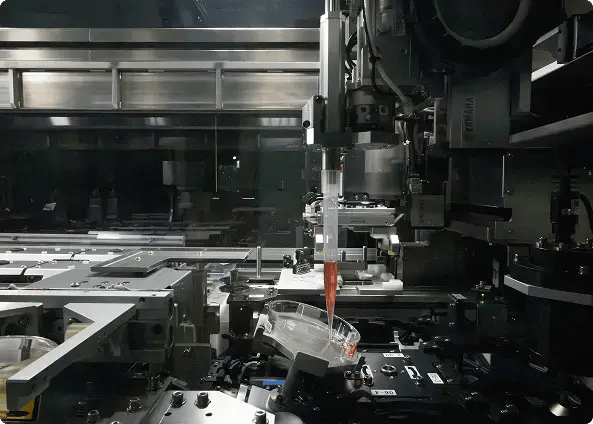
NPi-11 robotic arms performing automated cell culture pipetting inside the enclosed biosafe workspace

Why iPSC Culture Demands an All-in-One Approach

Induced pluripotent stem cell (iPSC) culture is unforgiving.

Critical growth factors like FGF2 degrade quickly in culture, so even a single delayed medium change can increase population heterogeneity and compromise downstream results.1,2 Reproducing results across experiments, let alone across labs, depends heavily on individual researcher skill and availability.

The NPi-11 automates the entire iPSC culture workflow to make reproducibility a function of protocol, not personnel.
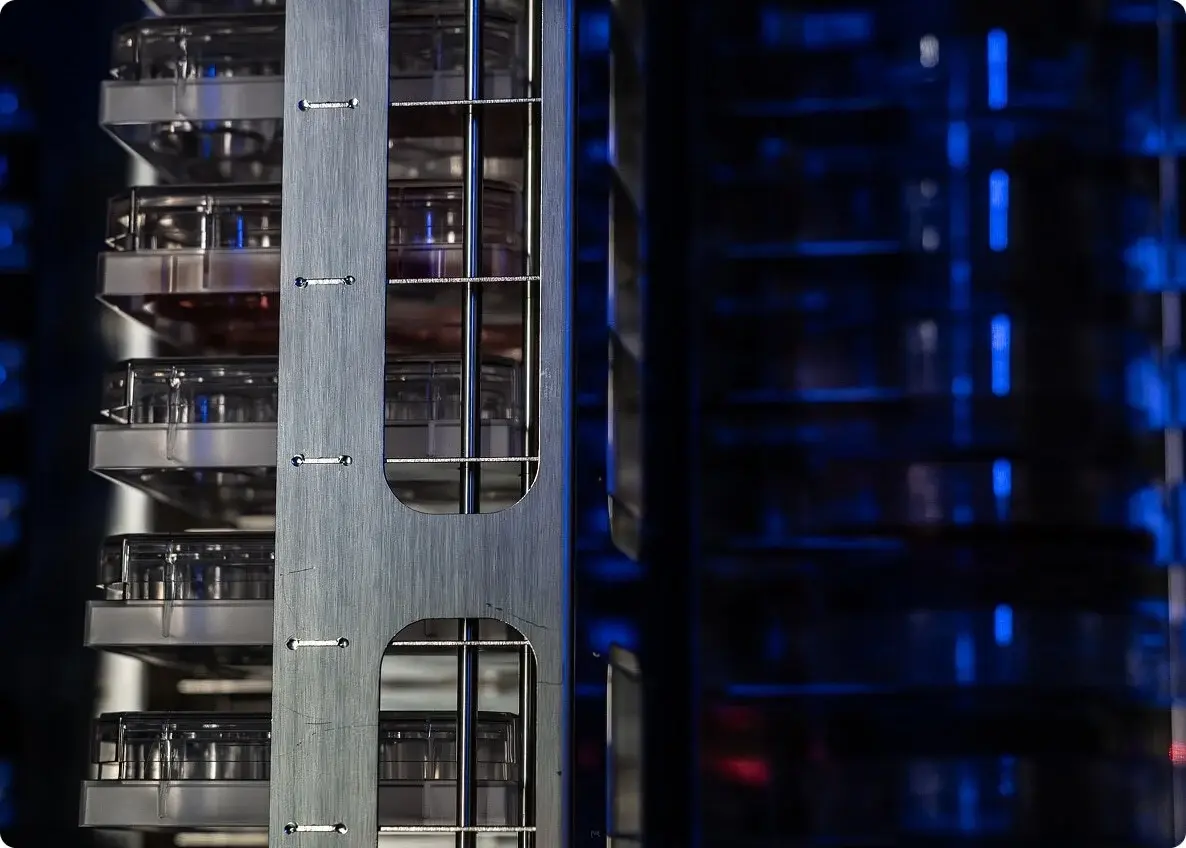
Interior of the Panasonic NPi-11 automated cell culture system showing the enclosed incubator and robotic workspace with blue LED illumination

iPSC Culture: Automated. Validated. Supported.

From routine medium changes to complex multi-day differentiation, you can find validated cell culture automation protocols for cardiomyocytes, hepatocytes, neural progenitors, and keratinocytes—always backed by transparent, on-call technical support.
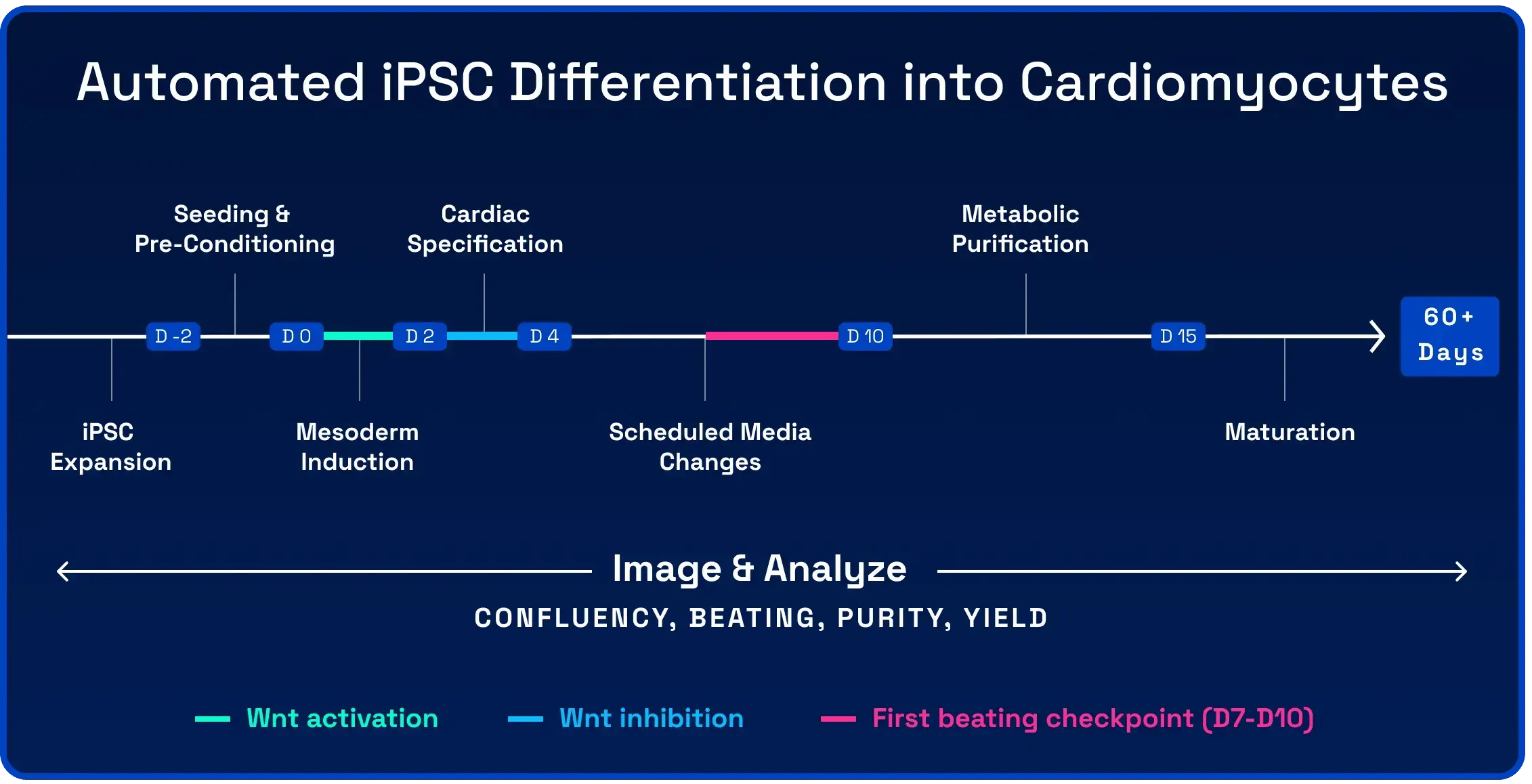
Automated iPSC-to-cardiomyocyte differentiation protocol timeline on the NPi-11, from seeding through maturation over 60-plus days
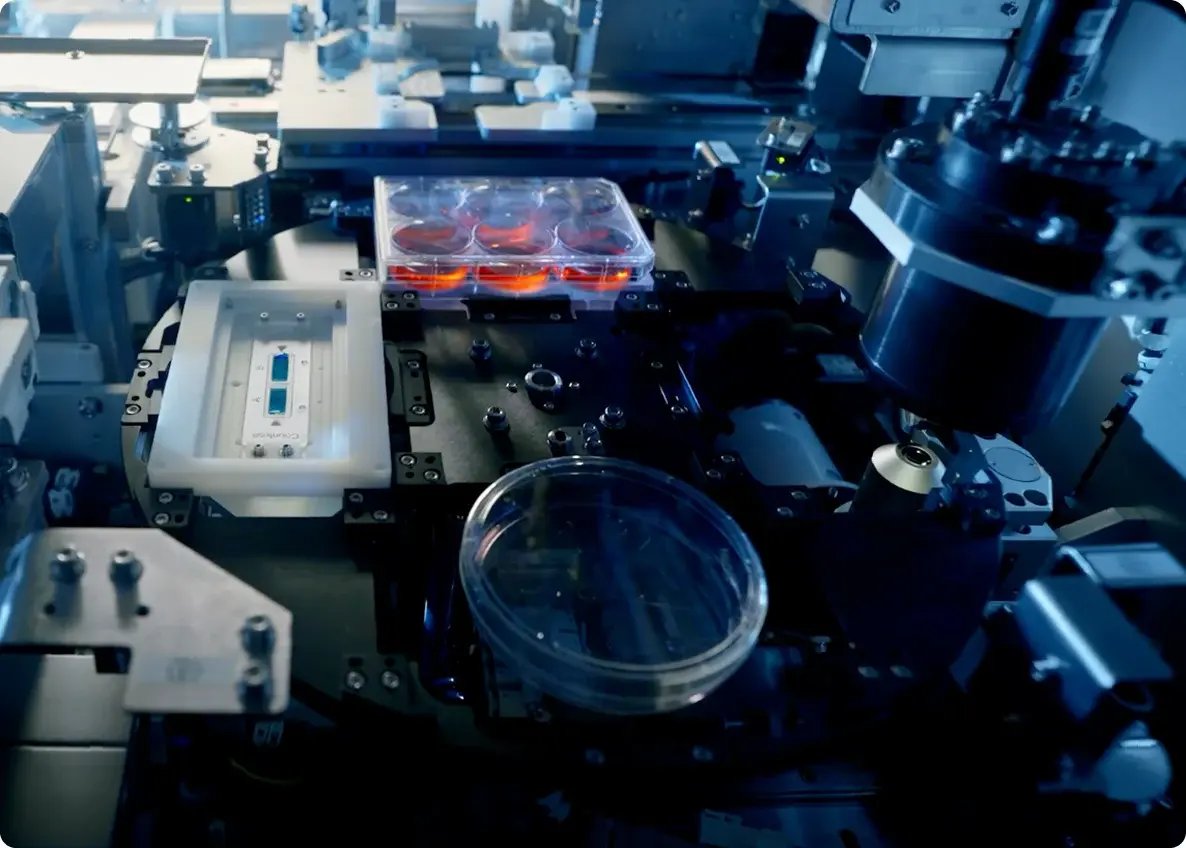
Close-up of the NPi-11 automated platform with multi-well plates and petri dishes for iPSC culture and differentiation workflows

What Consistent iPSC Culture Makes Possible

  • Produce consistent, quality cells for drug screening and toxicology

  • Develop robust differentiation protocols and reagents faster

  • Generate reliable, GLP-ready data for preclinical research

  • Advance ethical, iPSC-derived alternatives to animal models

  • Reproduce results across operators, labs, sites, and time

Ready to automate your iPSC workflow?

SPEAK TO AN EXPERT

Dual-Arm Precision that Mirrors a Skilled Researcher

A proprietary pipetting workflow—designed by studying experts—replicates the precise tip positioning and pipetting speeds that stem cell culture demands.

Dual robotic arms deliver microliter-level accuracy, exceeding ISO 8655 precision standards. Cross-sensor verification continuously calibrates tip positioning, and a tilting tray gently angles dishes during medium exchange to reduce cell stress.


The result? Cell culture automation that brings expert-level technique to every user, every run.

Controlled Conditions, Consistent Cultures

  • Temperature, CO₂, and humidity are controlled 24/7

  • In-process checkpoints catch culture drift early

  • Fewer manual steps reduce contamination and failure risk

  • Environmental and protocol data support GLP compliance

  • Walk-away operation eliminates after-hours work

  • Stable conditions enable cross-lab reproducibility

  • Enclosed workspace maintains conditions without a separate BSC

  • HEPA filtration and sterilization minimize airborne contamination

Proven Long-Term Performance

The ultimate test of any automated cell culture system is whether it delivers results at least as good as skilled manual culture.

In a 60-day, 20-passage study, iPSCs cultured on the automated system maintained their undifferentiated state throughout.3 OCT 3/4 and NANOG expression was unchanged, and approximately 95% of cells remained positive for cell surface markers TRA-1-60 and SSEA-4.

Clump sizes after automated passaging (~139 µm) were virtually identical to manual (~136 µm), colony growth rates matched, and global gene expression after 20 passages closely mirrored unpassaged cells (R² = 0.99). After long-term culture, researchers successfully differentiated iPSCs into specific cell types, including dopaminergic neurons and pancreatic islet cells. 

These results are made possible by adjustable pipetting speeds that let researchers tune passaging to their cell line, precision pipetting from 0.5 μL–10 mL, and standard consumable compatibility, so no new labware needs to be validated.
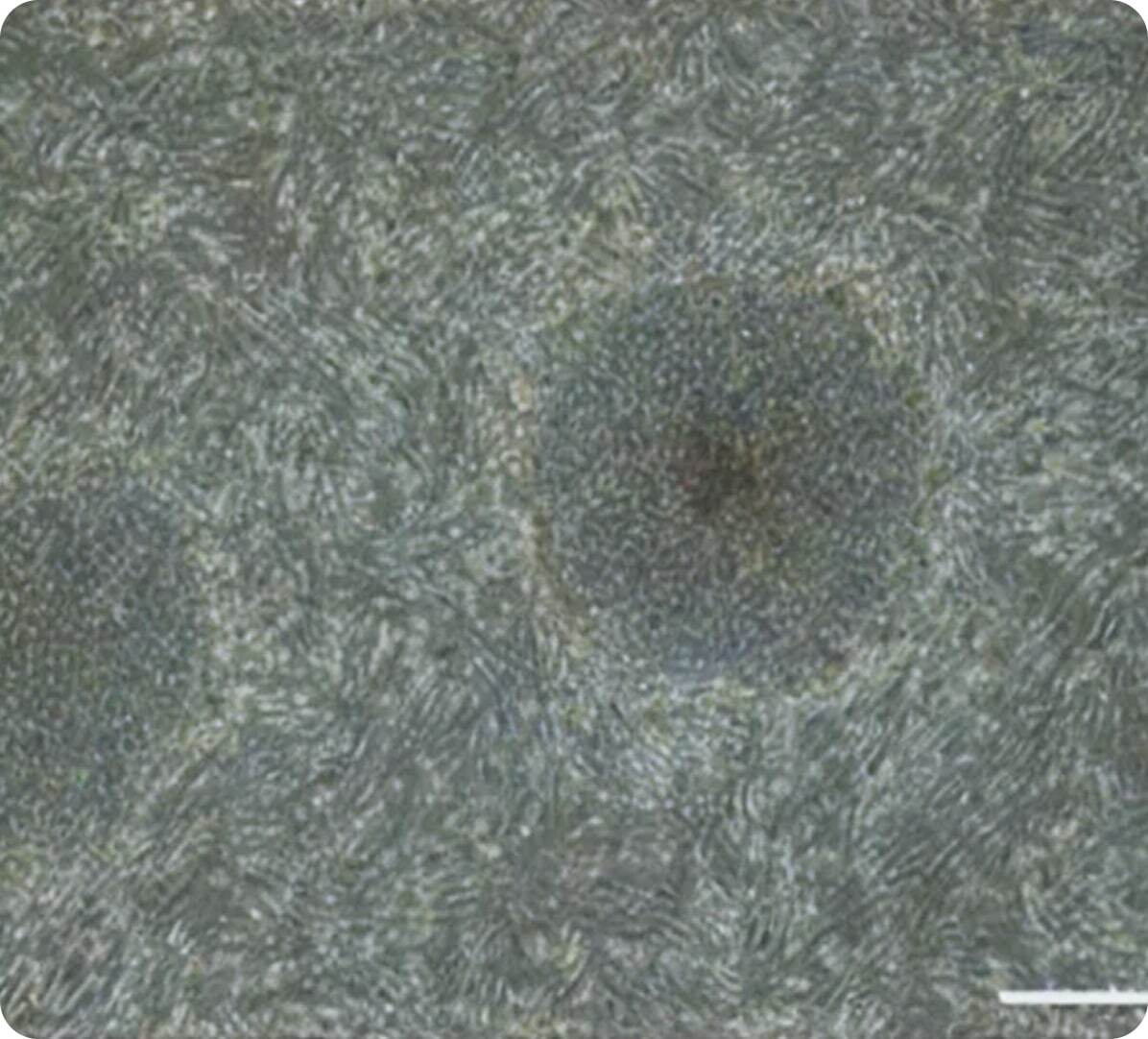
Phase-contrast microscopy of an undifferentiated iPSC colony after long-term automated cell culture on the NPi-11, showing maintained pluripotent morphology
Konagaya et al., Sci Rep 2015

Protocols in Minutes, Not Months

Steep learning curves and rigid programming are among the top frustrations researchers cite with automated systems.4–6 The NPi-11 takes a different approach: a visual, drag-and-drop interface with pre-built protocol templates that you can customize without code.

Stay in control, whether you're at the bench or not, with:

  • Pre-installed methods for common iPSC maintenance and differentiation workflows
  • Multi-dish, multi-protocol scheduling
  • Full control over timing, volumes, and growth factor concentrations
  • Automated alarms and in-process checkpoints
  • Environmental and protocol data, logged automatically
  • Remote monitoring, with email notifications to keep you informed

And when you need help, you get it. On-call support covers everything from system implementation and protocol setup to ongoing optimization.
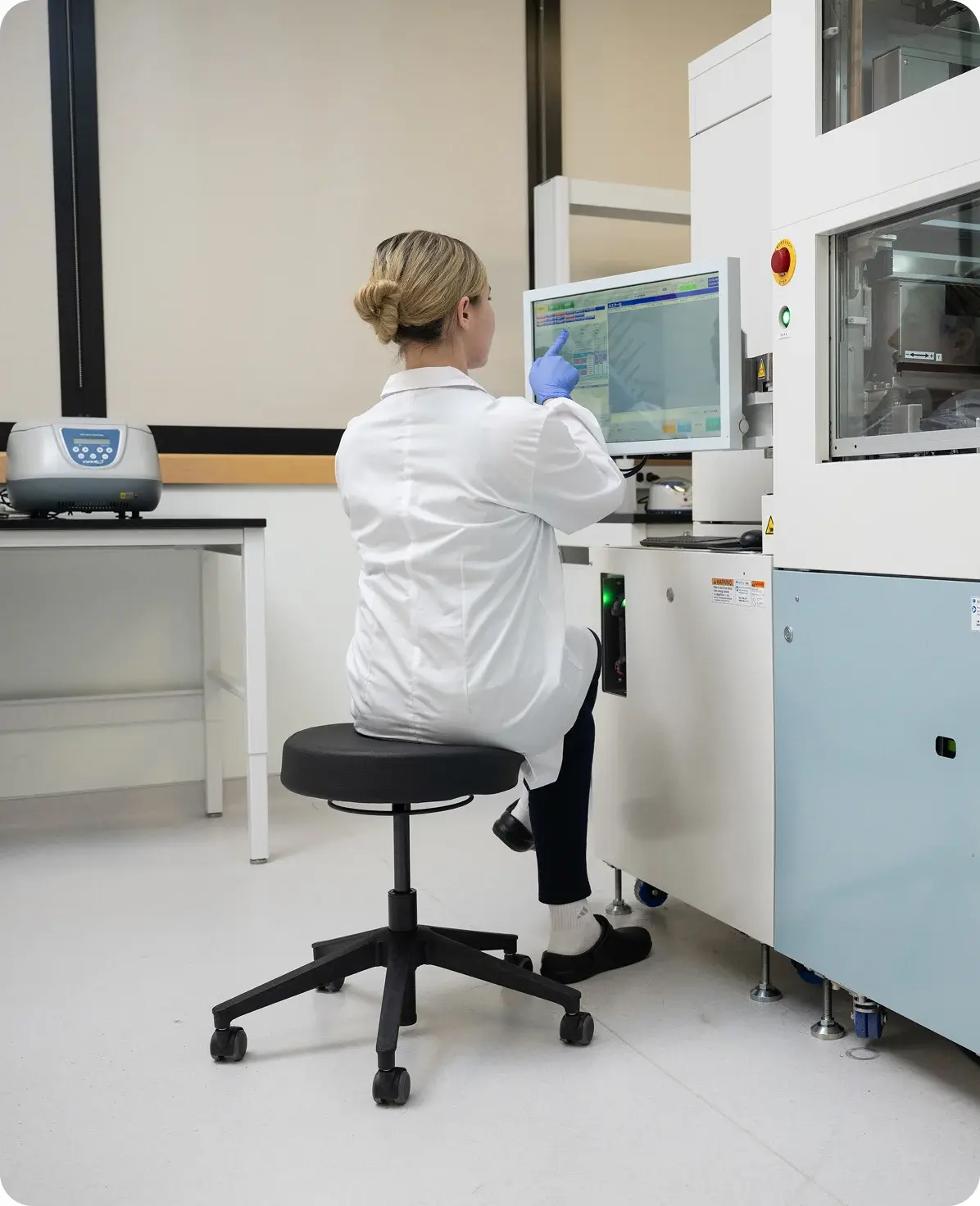
Researcher operating the NPi-11 automated cell culture system in a laboratory, using the touchscreen interface to design iPSC protocols

Frequently Asked Questions

The NPi-11 automated cell culture platform has validated differentiation protocols for cardiomyocytes, hepatocytes, neural progenitors, and keratinocytes, and enables long-term iPSC expansion with proven pluripotency retention over 60 days and 20 passages.3 The system's flexibility also enables the development of new protocols for additional cell types.

No. The NPi-11 uses an intuitive drag-and-drop interface with pre-built protocol templates. You can customize existing workflows, adjust timing, volumes, and growth factor concentrations directly from the touchscreen, or build entirely new protocols from scratch, all without writing any code.


Pre-installed methods cover common iPSC maintenance and differentiation workflows, so users can start running validated protocols immediately, adapt them, or design their own.

The NPi-11 automated cell culture platform automatically logs environmental parameters (temperature, CO₂, humidity) alongside protocol data for full traceability. User authentication links each action to the individual who performed it, supporting GLP compliance and audit readiness.


The system is equipped with five cameras for visual verification and inventory management using image recognition. Images are recorded automatically after each medium change and passage, and all data is stored centrally for easy retrieval and review. Remote email notifications provide status updates and error alerts.

 The NPi-11 measures 3.42 x 1.0 x 1.95 m (11.3 x 3.3 x 6.4 ft). It weighs approximately 2,200 kg. The compact design fits most freight elevators and includes casters with adjustable feet for positioning. The integrated incubator accommodates up to 72 dishes or SBS-format well plates (4 racks, 18 per rack) under controlled conditions. 

It means real people, available when you need them. Whether you're designing your first cell culture automation protocol, adapting a workflow for a new cell type, or troubleshooting mid-run, our expert team is here to help. Contact us to learn more. 

What Researchers Are Saying

“The system precisely controls the adjustment of differentiation-inducing factors. Having the machine execute these tasks perfectly prevents human error and ensures reproducible results during long differentiation processes.”
Professor Takahiro Iwao, PhD, Department of Clinical Pharmacy, Nagoya City University

Professor Takahiro Iwao, PhD

Department of Clinical Pharmacy, Nagoya City University
“If I had to describe this device's value in one phrase, it would be 'a reliable technician’.”
Professor Fumiyuki Hattori, Head of Innovative Regenerative Medicine, Kansai Medical University

Professor Fumiyuki Hattori

Head of Innovative Regenerative Medicine, Kansai Medical University
“Don't limit the system to just culturing cells. It can perform automated sampling and add drugs. If you leverage these features and link them to your analysis, the value will be truly exceptional.”
Professor Tamihide Matsunaga, PhD, Department of Clinical Pharmacy, Nagoya City University

Professor Tamihide Matsunaga, PhD

Department of Clinical Pharmacy, Nagoya City University
“Even with the same people handling cells at different times, you have variations. We adopted this automated machine because it can really help us with the consistency of the cells and save researchers’ time.”
Chih-Chuan Su, PhD, Senior Business Development Director, LumiSTAR

Chih-Chuan Su, PhD

Senior Business Development Director, LumiSTAR

1 / 4

Take variability out of your iPSC workflow with the NPi-11

Start the conversation
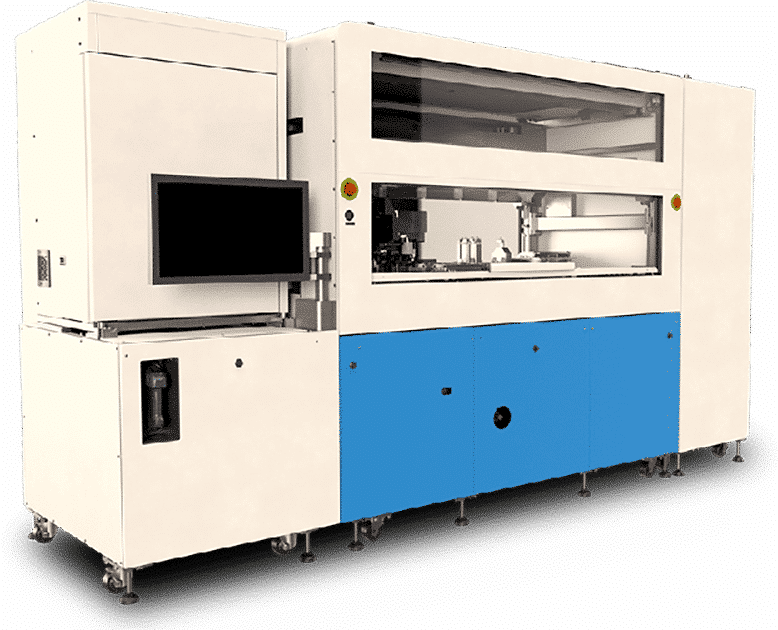
Panasonic NPi-11 automated cell culture system — full product view with enclosed workspace, integrated display, and incubator for reproducible iPSC workflows

References

  1.  Volpato V, Webber C. Addressing variability in iPSC-derived models of human disease: guidelines to promote reproducibility. Dis Model Mech. 2020;13(1):dmm042317. https://doi.org/10.1242/dmm.042317 

  2.  Temple S. Precision Control of Culture Conditions for Induced Pluripotent Stem Cells. GEN - Genetic Engineering and Biotechnology News. March 3, 2022. Accessed April 1, 2026. https://www.genengnews.com/resources/precision-control-of-culture-conditions-for-induced-pluripotent-stem-cells/ 

  3.  Konagaya, S, Ando T, Yamauchi, T, Suemori H, Iwata H. Long-term maintenance of human induced pluripotent stem cells by automated cell culture system | Scientific Reports. Sci Rep. https://doi.org/10.1038/srep16647  

  4.  Bates M, Berliner AJ, Lachoff J, Jaschke PR, Groban ES. Wet Lab Accelerator: A Web-Based Application Democratizing Laboratory Automation for Synthetic Biology. ACS Synth Biol. 2017;6(1):167-171. https://doi.org/10.1021/acssynbio.6b00108  
  5.  Holland I, Davies JA. Automation in the Life Science Research Laboratory. Front Bioeng Biotechnol. 2020;8. https://doi.org/10.3389/fbioe.2020.571777 
  6.  Musslick S, Bartlett LK, Chandramouli SH, et al. Automating the practice of science: Opportunities, challenges, and implications. Proc Natl Acad Sci U S A. 122(5):e2401238121. https://doi.org/10.1073/pnas.2401238121