NPi-11
Automated Cell Culture for Reproducible iPSCs
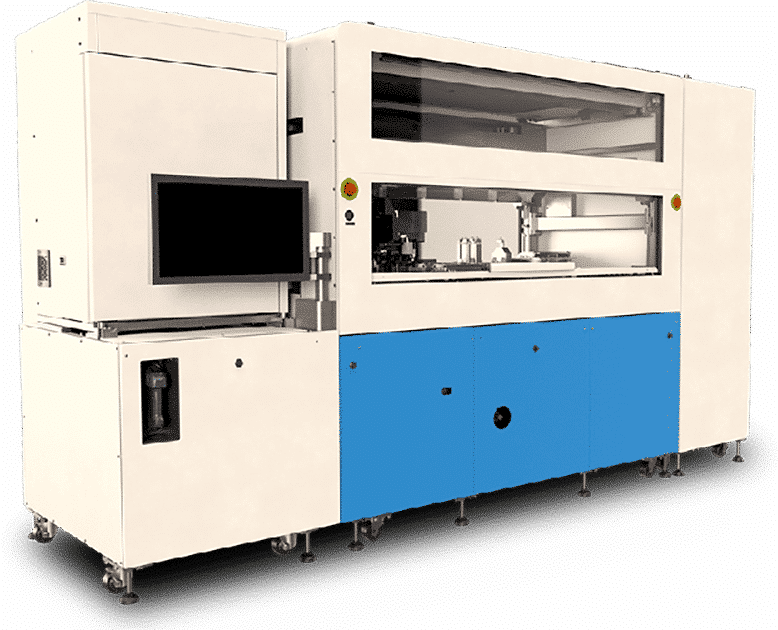
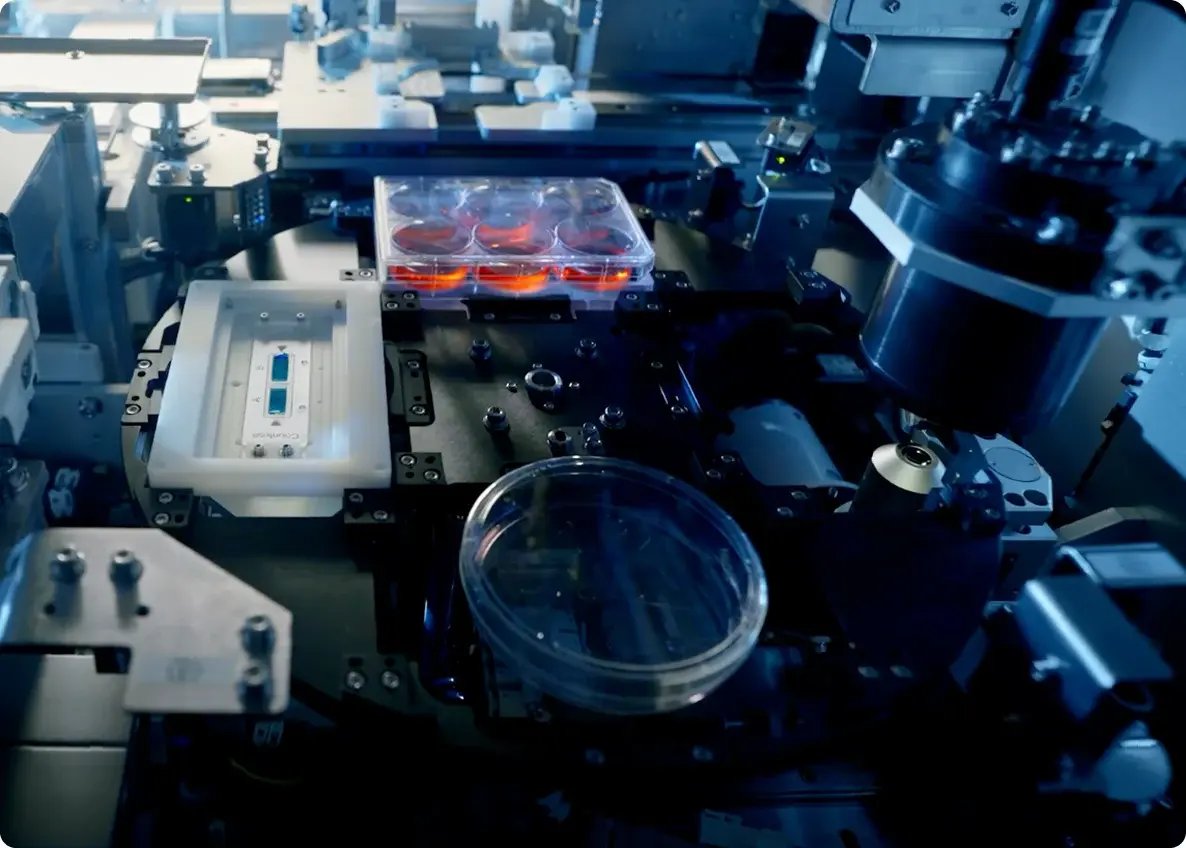
The NPi-11 automates multi-day expansion and differentiation protocols in a single biosafe enclosure—so your results reflect your science, not your technique.
Why iPSC Culture Demands an All-in-One Approach
Induced pluripotent stem cell (iPSC) culture is unforgiving.
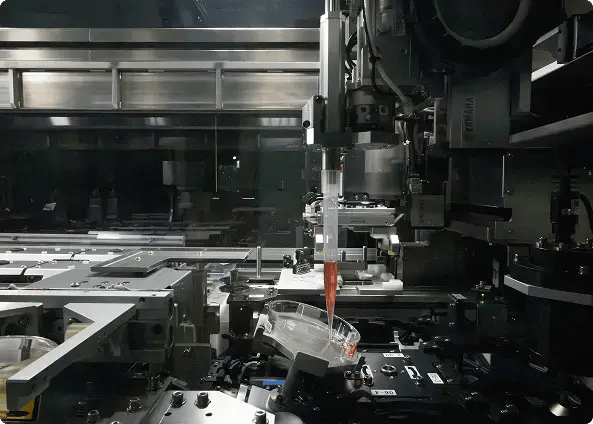
Critical growth factors like FGF2 degrade quickly in culture, so even a single delayed medium change can increase population heterogeneity and compromise downstream results.1,2 Reproducing results across experiments, let alone across labs, depends heavily on individual researcher skill and availability.
The NPi-11 automates the entire iPSC culture workflow to make reproducibility a function of protocol, not personnel.
iPSC Culture: Automated. Validated. Supported.
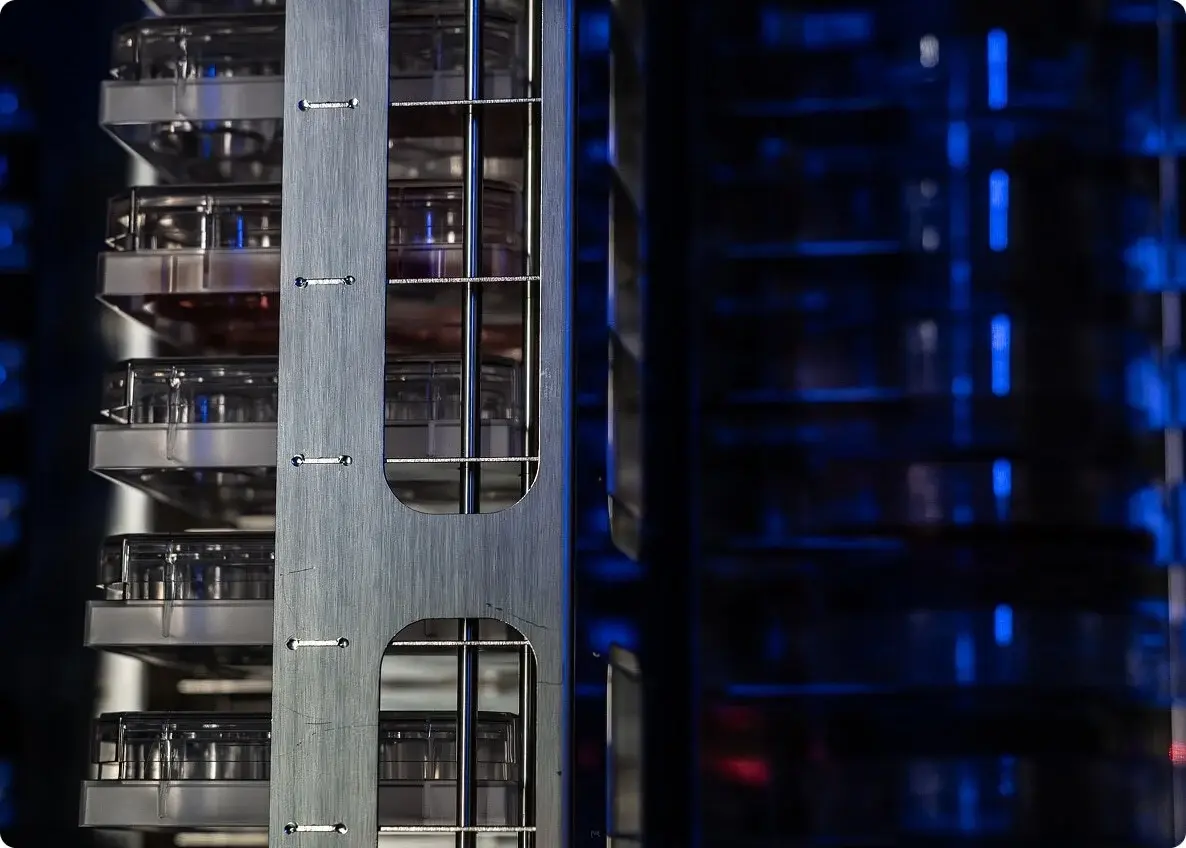
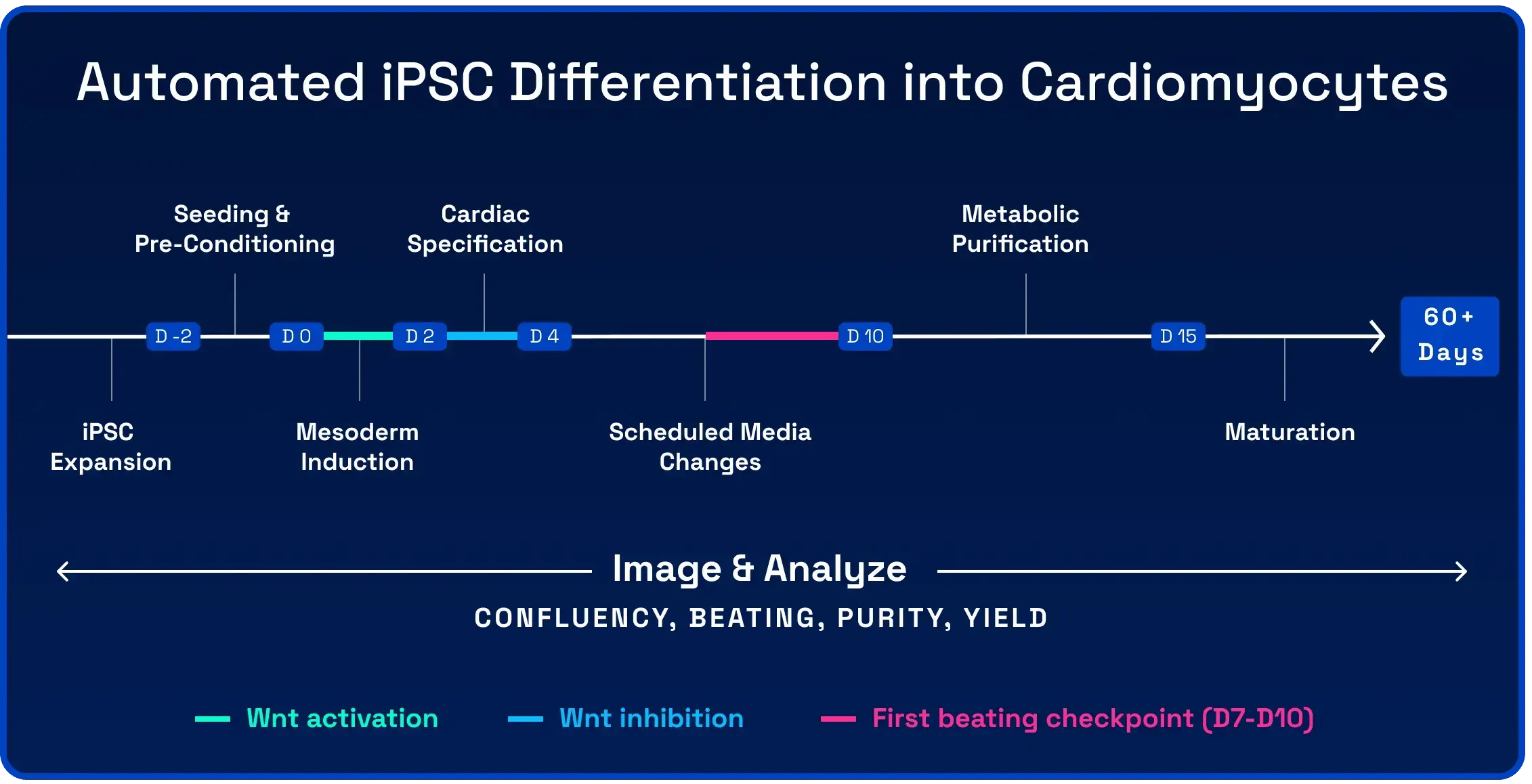
From routine medium changes to complex multi-day differentiation, you can find validated cell culture automation protocols for cardiomyocytes, hepatocytes, neural progenitors, and keratinocytes—always backed by transparent, on-call technical support.
What Consistent iPSC Culture Makes Possible
-
Produce consistent, quality cells for drug screening and toxicology
-
Develop robust differentiation protocols and reagents faster
-
Generate reliable, GLP-ready data for preclinical research
-
Advance ethical, iPSC-derived alternatives to animal models
-
Reproduce results across operators, labs, sites, and time

Controlled Conditions, Consistent Cultures
-
Temperature, CO₂, and humidity are controlled 24/7
-
In-process checkpoints catch culture drift early
-
Fewer manual steps reduce contamination and failure risk
-
Environmental and protocol data support GLP compliance
-
Walk-away operation eliminates after-hours work
-
Stable conditions enable cross-lab reproducibility
-
Enclosed workspace maintains conditions without a separate BSC
-
HEPA filtration and sterilization minimize airborne contamination
Proven Long-Term Performance
The ultimate test of any automated cell culture system is whether it delivers results at least as good as skilled manual culture.
In a 60-day, 20-passage study, iPSCs cultured on the automated system maintained their undifferentiated state throughout.3 OCT 3/4 and NANOG expression was unchanged, and approximately 95% of cells remained positive for cell surface markers TRA-1-60 and SSEA-4.
Clump sizes after automated passaging (~139 µm) were virtually identical to manual (~136 µm), colony growth rates matched, and global gene expression after 20 passages closely mirrored unpassaged cells (R² = 0.99). After long-term culture, researchers successfully differentiated iPSCs into specific cell types, including dopaminergic neurons and pancreatic islet cells.
These results are made possible by adjustable pipetting speeds that let researchers tune passaging to their cell line, precision pipetting from 0.5 μL–10 mL, and standard consumable compatibility, so no new labware needs to be validated.
Protocols in Minutes, Not Months
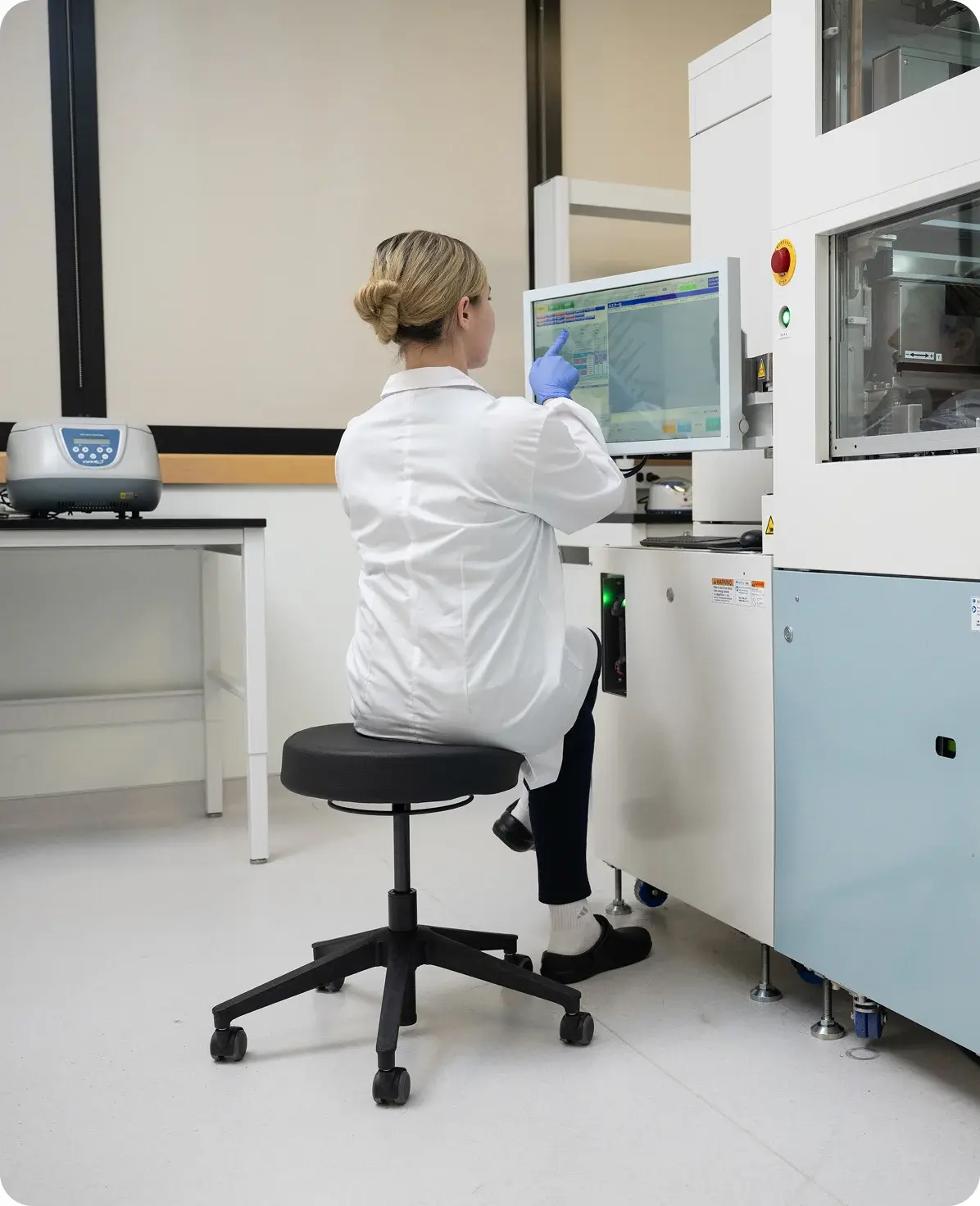
Steep learning curves and rigid programming are among the top frustrations researchers cite with automated systems.4–6 The NPi-11 takes a different approach: a visual, drag-and-drop interface with pre-built protocol templates that you can customize without code.
Stay in control, whether you're at the bench or not, with:
- Pre-installed methods for common iPSC maintenance and differentiation workflows
- Multi-dish, multi-protocol scheduling
- Full control over timing, volumes, and growth factor concentrations
- Automated alarms and in-process checkpoints
- Environmental and protocol data, logged automatically
- Remote monitoring, with email notifications to keep you informed
And when you need help, you get it. On-call support covers everything from system implementation and protocol setup to ongoing optimization.
What Researchers Are Saying
“The system precisely controls the adjustment of differentiation-inducing factors. Having the machine execute these tasks perfectly prevents human error and ensures reproducible results during long differentiation processes.”

“If I had to describe this device's value in one phrase, it would be 'a reliable technician’.”

“Don't limit the system to just culturing cells. It can perform automated sampling and add drugs. If you leverage these features and link them to your analysis, the value will be truly exceptional.”

“Even with the same people handling cells at different times, you have variations. We adopted this automated machine because it can really help us with the consistency of the cells and save researchers’ time.”

1 / 4